How To Reconnect With Your Audience in the Age of Algorithms
Algorithms aren't allies. Here's how to reclaim your reach.


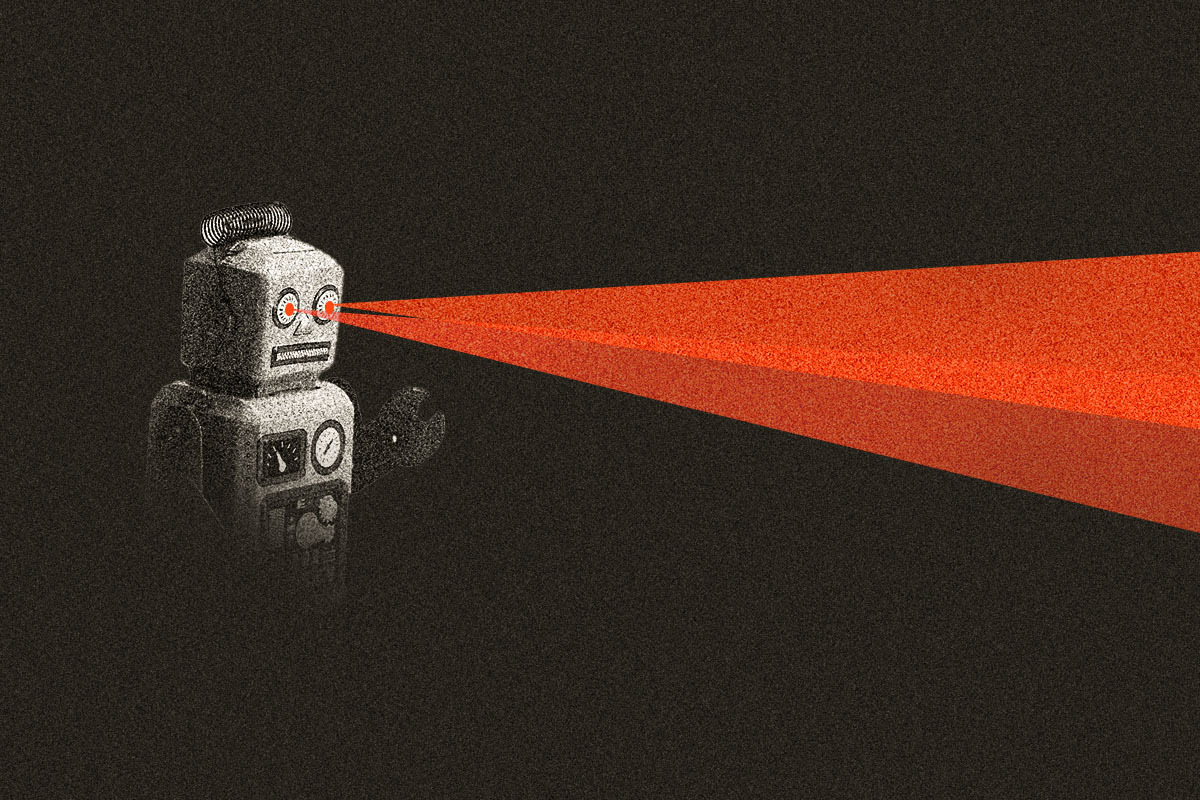
For years, social media was positioned as the great equalizer, especially for small and mission-driven organizations. Today, that promise is eroding, with algorithms deciding who sees what and organic reach continuing to shrink just as trust in major platforms is at an all-time low.
In a recent Upskill session, we explored what that reality means for communications teams. As we met in person for our day of Upskill training, we discussed why the answer may be to reclaim control through owned channels and real-world connection.
The issue: Algorithms reduce reach, trust, and control
Social platforms are designed to serve content that maximizes engagement rather than understanding or impact. That means audiences are increasingly siloed into personalized feeds, organic reach is suppressed, and important messages struggle to break through unless they’re boosted with paid ads.
At the same time, communicators are contending with bot accounts, AI-generated content, and growing skepticism about what’s actually real online. Even when content performs “well,” it’s harder to know who actually saw it, or whether it changed anything at all. The result is unpredictable reach and impact, forcing teams to constantly pivot strategies to one-off efforts, instead of building consistency over time.
Owned channels restore stability and intentionality
Owned channels remove the algorithm from the equation. Examples of these would include your website, email list, podcast feed, or SMS list. When someone opts in, they’ve explicitly chosen to hear from you. That creates a fundamentally different relationship than content being passively served in a feed, which may not actually reach them.
These channels give organizations more stability and control. You decide what gets shared, when it’s shared, and how much context it includes. You can tell longer stories, build understanding over time, and guide supporters through a journey without competing for attention in an uneven landscape. You also own the channel, so you aren’t going to face being locked out of a Facebook page, reduced visibility from suppression of terms or censorship, or other restrictions from companies like Meta.
Email works because people opt in with intent
Email remains an effective communications tool, precisely because it’s intentional. People who sign up are already interested, which makes them far more likely to engage, show up, or support your work.
The session emphasized the importance of mapping user journeys: where people sign up, what they receive first, and how that experience evolves over time. Segmentation allows organizations to tailor messages based on engagement, recency, or interests, while consistency in timing and format builds trust. Unlike social platforms, email isn’t subject to sudden algorithm changes. If someone stays subscribed, your message reaches them.
Of course, you will just need to stand out amongst other senders in their inbox and be conscious of email fatigue. For most people, achieving ‘inbox zero’ is more of a dream than reality. Subscribers might be invested in your updates but if they can’t keep up with the number of emails in their inbox, they may archive before opening. Most email platforms give detailed analytics on open-rate, clicks, and engagement. Use these to guide how long the emails should be and how often your audience would like them.
IRL connection builds trust in ways digital can’t
In a post-pandemic, screen-heavy world, in-person experiences stand out. Offline interactions build credibility, deepen relationships, and create emotional connection in ways digital platforms struggle to replicate.
The session highlighted how face-to-face engagement through events and workshops help people feel seen and valued. Humans are more open, less reactive, and more willing to listen in real life than they are in comment sections. We trust people more than platforms.
Real-world tactics still cut through
From grassroots billboards to creative stunts, physical activations, and local media engagement, the case studies shared in the session reinforced the same lesson: taking up space in the real world works.
Efforts can succeed when they’re tangible, human, and unexpected. When paired with owned channels, IRL tactics strengthen all of your other efforts.
What comes next
Algorithms aren’t allies. They’re unpredictable intermediaries with priorities that don’t align with long-term community building.
Organizations that invest in owned channels, prioritize real-world connection, and aren’t afraid to take up space regain control over their message and their impact. The future of effective communications is more intentional, more human, and more grounded in relationships that can’t be shaped by invisible forces.
Are your owned channels doing as much work as they could be? Mapping out your email, website, and in-person touchpoints is often a good place to start building reach you actually control. Get in touch if you'd like a hand.

Tips, tools, and news for changemakers.
A monthly newsletter by Emdash